
When people determine the outcome, guesswork is not enough.
You make decisions about campaigns, customers, candidates, workplaces and experiences. But traditional data does not always explain why people hesitate, trust, apply, buy, disengage or act.
Neurofactor helps you see the behavioural layer behind the numbers. We combine neuroscience, profiling, behavioural science, market data and business data - and translate it into strategy you can actually use.
For high-stakes decisions in marketing, sales, recruitment, workplace and human experience.

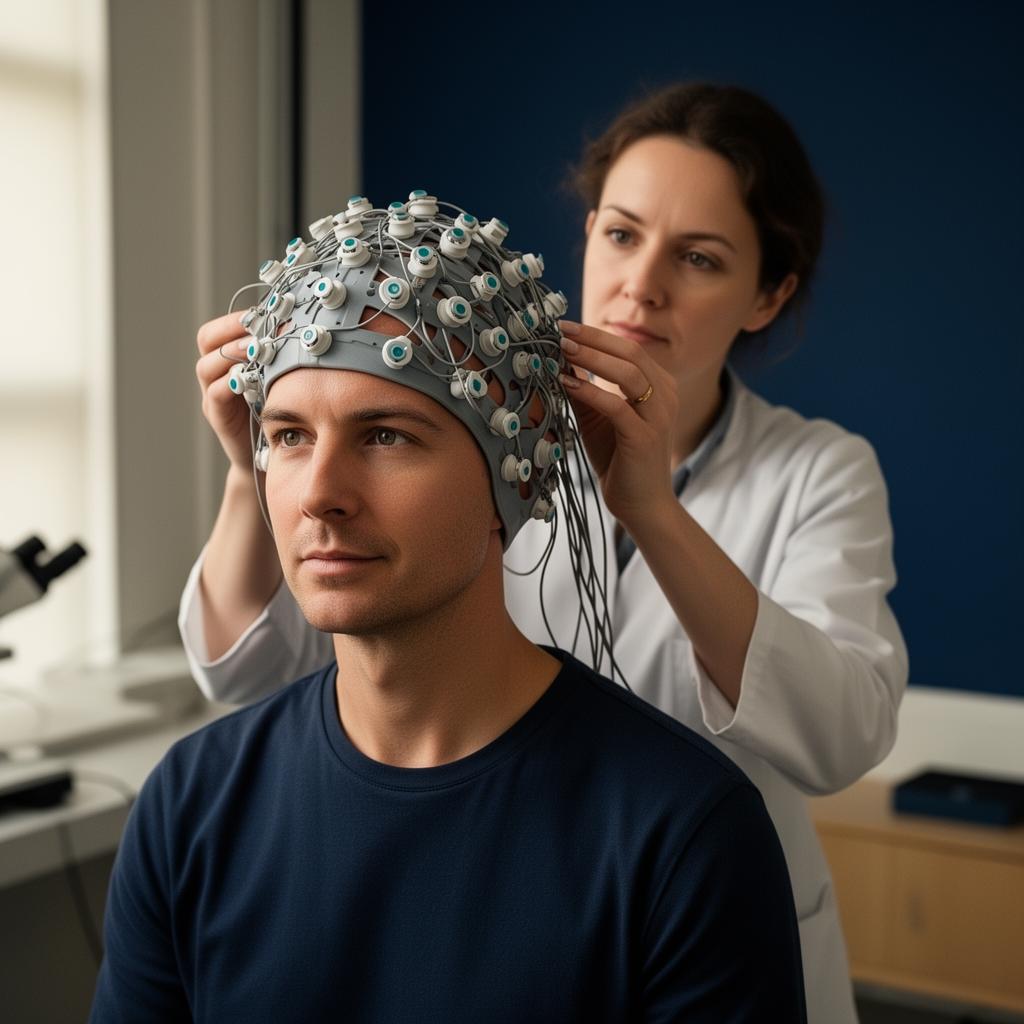

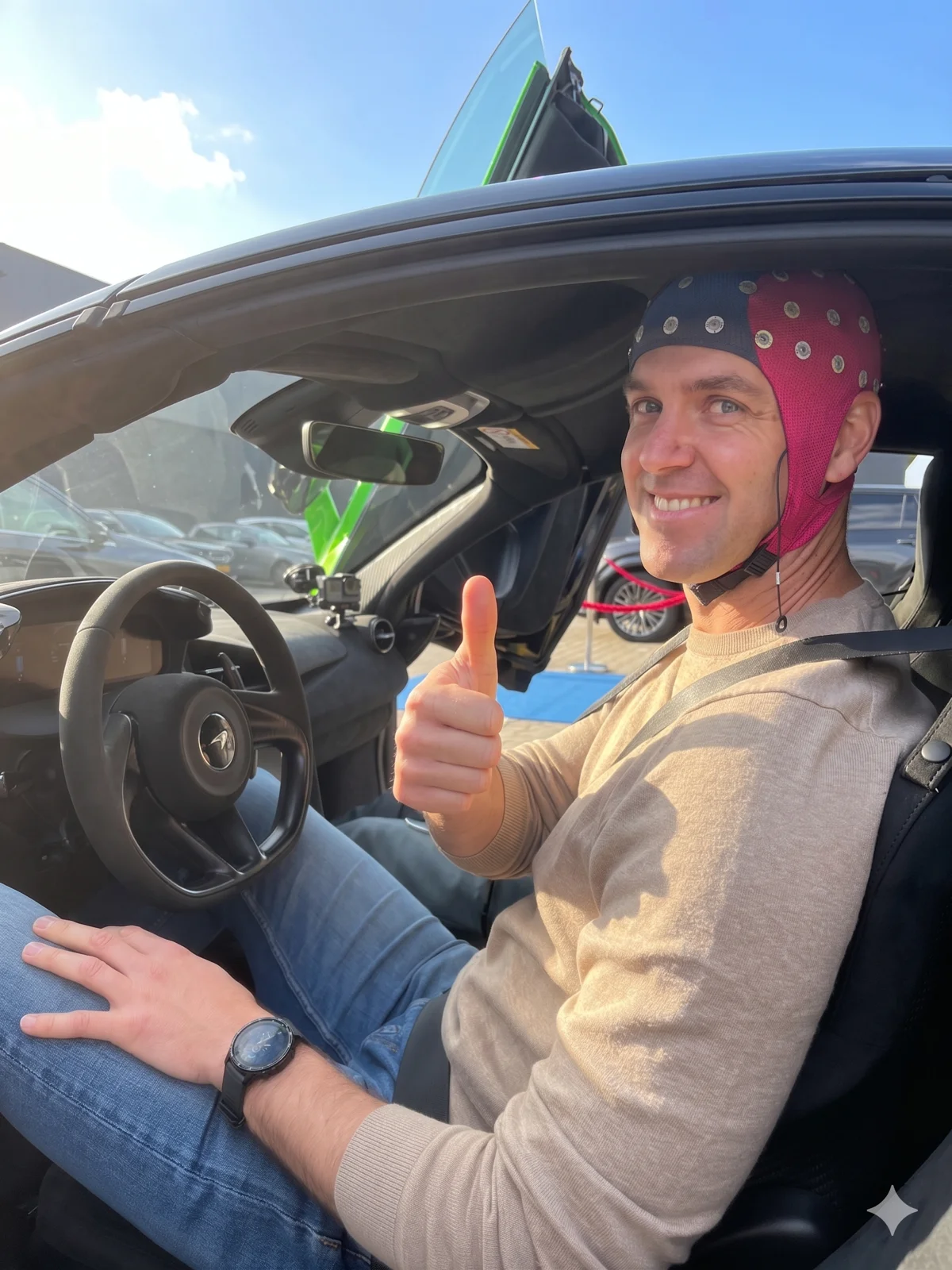
EEG · real-world EEG · fNIRS · eye tracking · fMRI through university partners · profiling · behavioural science
Used in world-first research, high-stakes business decisions and real-world behavioural studies.
Latest case
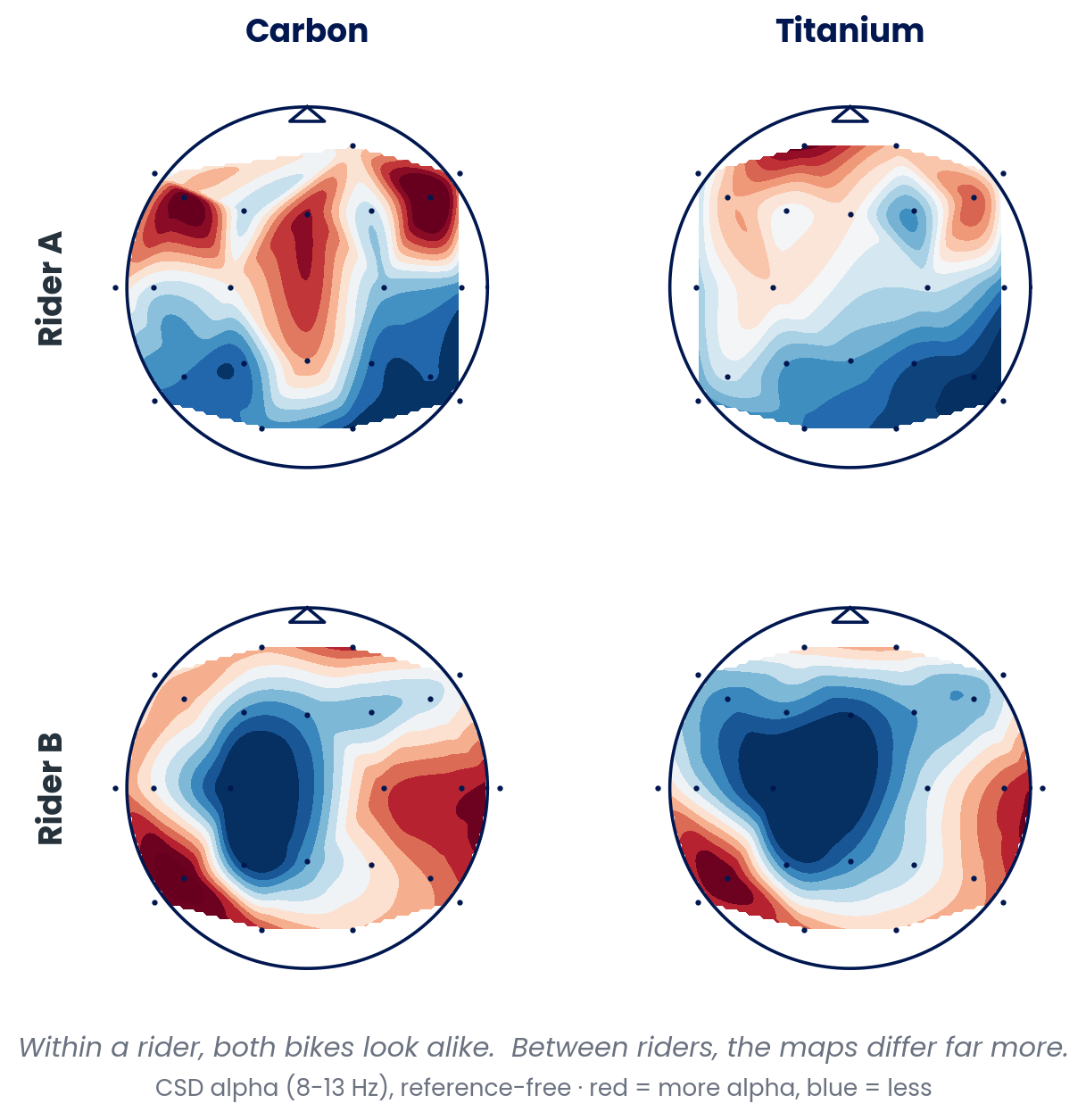
Titanium vs carbon: how a bike feels, measured in the brain
19 riders, two frames, mobile EEG on a closed forest course. A rare, honest null result - and one intriguing lead on calmer steering.
Read the caseWhat Neurofactor does
Neurofactor helps organisations understand what people notice, feel, associate and decide - especially when the outcome depends on human behaviour.
Using brain data, behavioural science, profiling, market data and business data, we uncover the hidden drivers behind attention, trust, friction, preference and action. Then we turn those insights into practical strategy for marketing, sales, recruitment, experience design and behavioural change.
Use Neurofactor when the answer is hidden in human behaviour.
You do not need Neurofactor for every decision. You need us when the stakes are high, the data is incomplete and the human response determines whether your strategy works.
Stalled results and hidden behaviour
When campaigns, funnels, journeys or sales processes plateau and the dashboard cannot explain why, Neurofactor helps diagnose the hidden behavioural factor behind stalled results.
Read moreUnexpected Audience Response
When your audience reacts differently than expected, Neurofactor helps investigate the associations, profiles and behavioural drivers behind the response.
Read moreHigh-stakes Behavioural Projects
For projects where human response determines success, Neurofactor helps test behavioural risk before launch and reduce uncertainty before key decisions.
Read moreSee what people cannot always tell you.
Traditional data is valuable. It shows what people clicked, bought, said, reported or avoided. But when behaviour does not match expectations, you need to understand the layer beneath it.
That is where Neurofactor comes in.
Traditional data shows what happened
- what people clicked
- where they dropped off
- what they bought
- what they said in a survey
- how they described their own behaviour
Neurofactor helps reveal why
- what people actually notice
- what creates emotional response
- which associations are activated
- where mental friction appears
- what drives or blocks action
- why the rational answer may not match the real decision
Brain data + behavioural science + market data + business data → translated into practical strategy.
See how neuro research worksDesigned to turn complex measurements into decisions your team can use.
Applied where human behaviour drives the result.
Neurofactor applies neuroscience, profiling and behavioural science to the moments where perception, attention, trust and decision-making shape business outcomes.
Whether you want to improve a campaign, a sales funnel, an employer brand, a workplace or an experience, the real question is often the same:
What is happening in the mind of the person you need to reach?
Marketing
You want campaigns, propositions and customer journeys that connect with the way people actually notice, feel and choose. Neurofactor helps you understand which messages, visuals, associations and moments create attention, trust and preference - before you invest more budget into assumptions.
Explore marketingSales
You want to make the buying process mentally easier. Neurofactor helps you identify the friction that slows down trust, confidence and choice - so you can improve how prospects move through your funnel.
Explore salesRecruitment
You want the right talent to feel attracted before they even apply. With neuro-recruitment, we help you understand the associations that shape employer preference, candidate attention and the emotional pull of your employer brand.
Explore recruitmentExperience
You want environments, journeys and moments that feel right - not just look right. Neurofactor helps you measure and design experiences around how people actually perceive, process and respond.
Explore experienceBehavioural change
You want people to understand, trust and act differently. We help you design interventions around the mental barriers and motivators that shape behaviour.
Explore behavioural changeMeasured with neuroscience. Translated into strategy.
Neurofactor works with scientific research methods, medical-grade measurement technology and real-world behavioural research. But the goal is never complexity for its own sake.
The goal is clarity: evidence you can use to make better decisions.
01
EEG
EEG helps measure brain activity with high temporal precision, giving insight into attention, engagement and emotional response as people experience content, environments, messages or moments.
02
Real-world / mobile EEG
Not every meaningful decision happens in a lab. With mobile EEG, Neurofactor can measure brain response in real environments - from workplaces and museums to high-intensity experience settings.
03
Eye tracking
Eye tracking shows what people actually see, miss, return to and ignore. It helps reveal whether the elements you believe are important are truly being noticed.
04
fNIRS
fNIRS supports brain measurement in contexts where movement, interaction and real-world tasks matter.
05
fMRI
Through university partners, fMRI can be used for deeper neurological research questions where the research design requires it.
06
Implicit association research
People cannot always explain what they associate with a brand, message, role, product or experience. Implicit association research helps uncover those underlying connections.
07
Profiling
Profiling connects behavioural, market and audience patterns to the decisions your organisation needs to make.
World-first research. Real-world impact.
The clearest proof of Neurofactor's work is found in projects where ordinary research was not enough.
From museum research and neuro-designed workplaces to real-world EEG in extreme environments, Neurofactor applies neuroscience where human experience matters most.
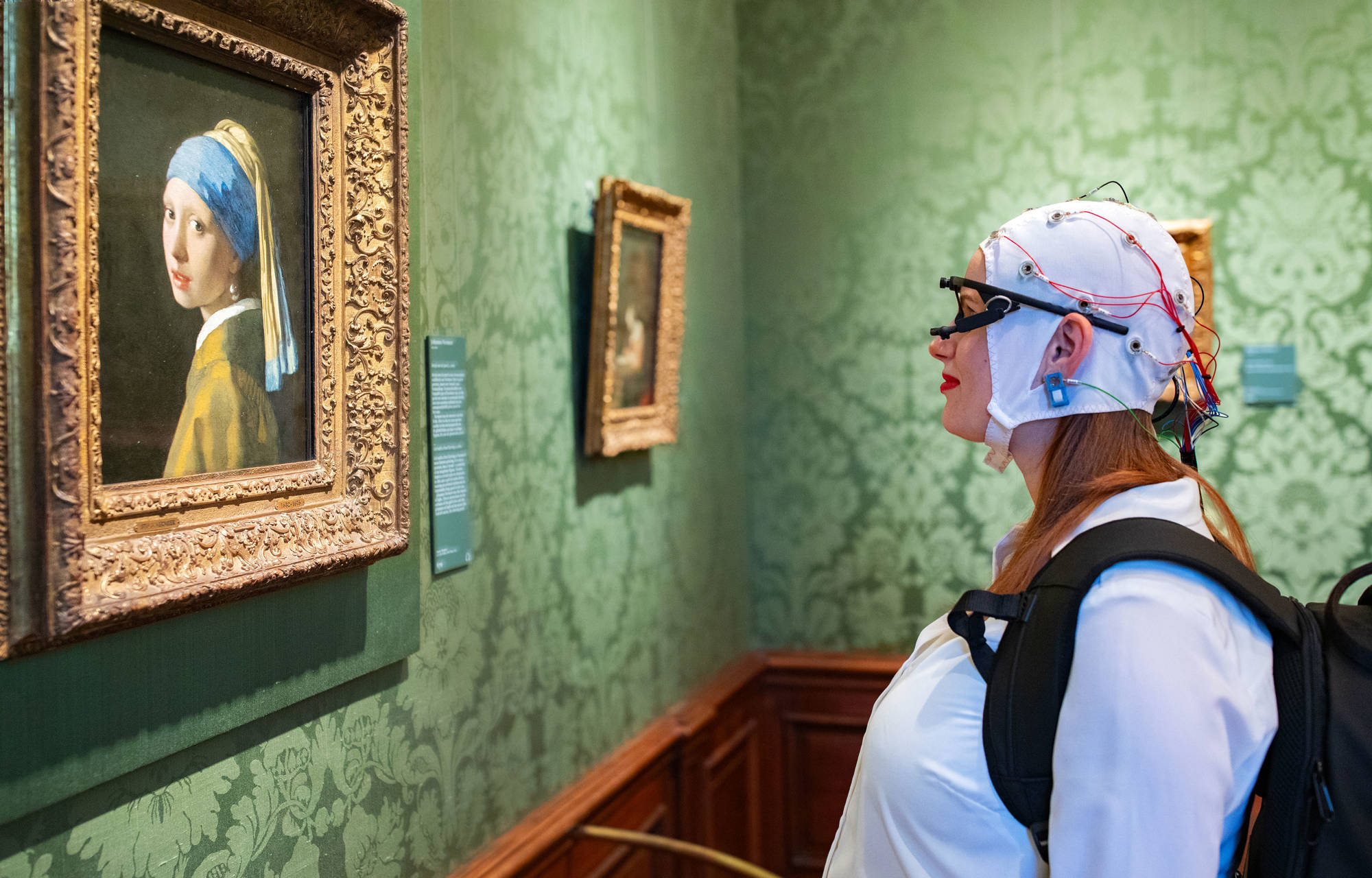
Mauritshuis · EEG · eye tracking · fMRI
Why real art moves the brain differently
Neurofactor investigated why original art in a museum environment creates a different neurological response than reproductions - including research around Girl with a Pearl Earring.
Read the Mauritshuis case
Neural Workplace · workplace design
The world's first office designed with neuroscience
Neurofactor helped develop a workplace concept based on workload, wellbeing, perception and the population that actually uses the space.
Explore Neural Workplace
Mobile EEG · real-world research
Measuring the brain where research usually cannot go
With mobile EEG, Neurofactor brings brain measurement into real environments - from extreme exposure research to high-performance experience settings.
See real-world EEG
Experience research · mobile EEG
What happens in the brain during a supercar experience?
Neurofactor measured how participants responded during a real-world supercar experience, connecting brain response to emotion, attention and experience.
View the McLaren caseExperience Neurofactor live.
Events are one of the easiest ways to understand how Neurofactor thinks.
Join our keynotes, masterclasses, round tables and private research sessions to see how neuroscience becomes practical for marketing, sales, recruitment, experience and behavioural strategy.
Whether you are exploring a possible project, looking for a keynote speaker or want your team to understand human behaviour at a deeper level, our events give you direct access to Neurofactor's research, methods and thinking.
Free events
Open online sessions, public talks and keynotes at fairs or partner events. These sessions are designed to make neuroscience accessible and practical.
View free eventsPremium sessions
Live masterclasses and deep-dive sessions for people who want to go further into a specific topic, method or business application.
Explore premium sessionsVIP research events
Invite-only sessions around new research, private demonstrations or exclusive research days where Neurofactor shares insights before they become public.
Request accessUpcoming sessions and keynotes
See where you can meet Neurofactor next - or invite us to bring neuroscience, behaviour and decision-making to your audience.
A live session is often the first step toward seeing your own challenge differently.
Learn to apply neurodata inside your organisation.
Through the Neurofactor Academy, teams learn how to understand, interpret and apply neurodata.
That can mean working with existing insights, learning from Neurofactor's research database or building training around research designed specifically for your organisation.
The goal is practical: helping your team make better behavioural decisions themselves.
Explore the AcademyFor teams that want to use behavioural and neurodata more effectively.
Trusted for high-stakes behavioural questions.
Neurofactor works with organisations where perception, attention, trust, behaviour and experience directly affect the outcome.
Our work has been applied across culture, mobility, public sector, recruitment, workplace, tourism, luxury, retail, wellbeing and experience design.
You may know our work from projects and collaborations involving organisations such as Mauritshuis, Ministry of Defence, Keolis, Certina, Pilot Cycles, Province of Utrecht, Table du Sud, Louwman Exclusive, McLaren, Austria Tourism, The Hague & Partners and others.
World-first research in museums, workplaces and real-world environments.
Scientific methods translated into business strategy.
Live keynotes, masterclasses and research sessions for organisations that want to understand behaviour better.
Built on responsible use of neurodata.
Neurofactor works with a clear ethical code. We believe neuroscience and behavioural influence should be used responsibly, transparently and in contexts where they create value without manipulating people against their interest.
That is why we choose carefully where we work, how we measure and how insights are applied.
Read about our ethicsBecause understanding behaviour comes with responsibility.
Have a decision where human behaviour determines the outcome?
Bring Neurofactor in when you need to understand what people notice, feel, associate and decide - and turn that insight into strategy.
Whether your challenge is in marketing, sales, recruitment, workplace, experience or behavioural change, we help you find the behavioural layer that traditional data often misses.
We will help you identify whether neuro research, profiling or behavioural strategy is the right fit.
Better decisions start with understanding what people actually notice, feel and choose.