
Design spaces around how people actually respond.
A space is not only seen. It is processed through attention, orientation, emotion, comfort, trust, stress, movement and memory. Neurofactor helps reveal how people respond to spaces, designs and environments before launch, redesign or scale.
Use neuroscience, profiling and behavioural science to improve workplaces, retail, museums, hospitality, public space, mobility environments, healthcare environments and brand experiences.
Apply neuroscience to spaces, design and environments.
Not sure which response matters most? Start with the space →You do not need to know the method yet. The design question defines the research route.
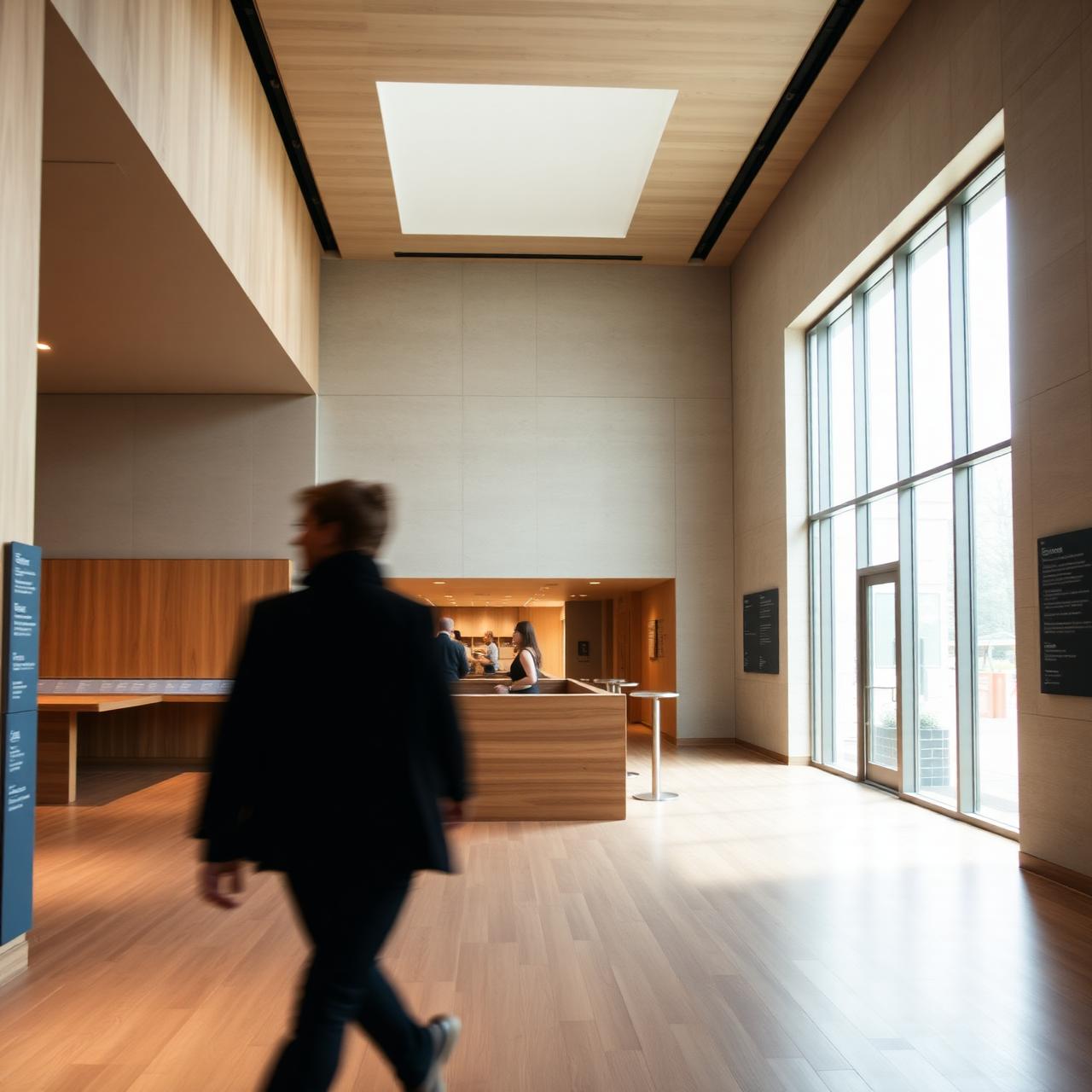
Design works better when it matches how people notice, feel, move, choose, trust and remember.
Aesthetics, brand fit, functionality, stakeholder opinion and usage data show whether a design looks and works as intended. They do not always explain how people actually respond inside the environment.
Neurofactor combines brain data, market data and business data to reveal the behavioural and sensory layers that shape attention, orientation, comfort, trust, stress, movement and memory in real spaces.
A design plan shows what the space is meant to do. Neurofactor helps reveal how people actually respond inside it.
When a design looks right but the response does not fully land.
Design teams often have a clear intention for the space. They know what it should feel like, how people should move and what experience it should create. The harder question is what people actually notice, understand, trust and do when they are inside it.
A workplace looks good but does not support focus, comfort or collaboration.
Where do attention, cognitive load, stress or social comfort block the intended behaviour?
Workplace behaviour research, profiling, eye tracking or testing.
A retail environment is well designed but people miss key products or cues.
Where do attention, visual priority and wayfinding break down?
Eye tracking, journey testing, profiling or behavioural interpretation.
A museum or exhibition is appreciated but the intended moments are not noticed.
Which moments do visitors notice, feel and remember?
Eye tracking, mobile EEG, profiling or visitor journey research.
A hospitality space should feel premium, calm or welcoming but does not fully land.
Where do comfort, premium perception, trust or social comfort break down?
Profiling, association research, testing or environment evaluation.
A public space must support orientation, safety or stress reduction.
Where do orientation, perceived safety, stress or social comfort need to improve?
Behavioural analysis, profiling, eye tracking or real-world measurement.
A mobility environment shapes waiting, wayfinding, comfort or trust.
What makes the route feel clear, safe, calm and acceptable?
Journey testing, profiling, eye tracking or behavioural interpretation.
A showroom must support premium perception and buying confidence.
What creates premium perception, trust and choice confidence in the space?
Eye tracking, profiling, association research or testing.
A healthcare or wellbeing environment must reduce stress and create reassurance.
Where do stress, clarity, trust and perceived safety need to improve?
Profiling, behavioural analysis, mobile EEG or environment evaluation.
Recognise the design response gap?
If the space looks right, gets approved and still does not create the intended response, the next question is behavioural.
Discuss your design or environment challengeStart with the space, route or moment where the current data does not explain how people respond.
Visible design data shows what the space is. Neurofactor helps reveal how it is experienced.
Aesthetics, brand fit, layout, materials, stakeholder opinion, visitor feedback and usage data are valuable. They show what a space looks like and how it is used. But that data does not always explain why people notice, feel, move, trust or remember the way they do.
Neurofactor does not replace design expertise. It adds the behavioural and sensory response layer that helps explain whether the environment creates the response it was designed for.
- ·Aesthetics
- ·Brand fit
- ·Functionality
- ·Architectural logic
- ·Stakeholder opinion
- ·Visitor feedback
- ·Expert judgement
- ·Design guidelines
- ·Benchmarks
- ·Usage data
- ·Layout performance
- ·Survey scores
- Attention
- Orientation
- Emotion
- Cognitive load
- Stress
- Comfort
- Trust
- Safety
- Movement
- Choice behaviour
- Sensory response
- Memory
Design expertise is valuable. Behavioural response makes it more actionable.
Add behavioural response to your design dataWhat makes spaces feel clear, comfortable, trusted or memorable.
People rarely experience a space the way the plan describes it. They process the environment in context: what they notice first, how it feels, whether it makes sense, whether they trust it and what they remember afterwards. Neurofactor helps reveal the behavioural and sensory drivers that shape that response.
Attention
Where attention goes inside the space and which elements are noticed.
If people do not notice the cue, product, sign or moment, the design intention cannot land.
Adjust placement, contrast, hierarchy, sightlines, signage or focal points.
Orientation
Whether people understand where they are and where to go.
Poor orientation creates stress, hesitation and missed moments.
Improve wayfinding, sightlines, spatial hierarchy, signage and route logic.
Emotion
How the environment makes people feel.
Emotional response shapes comfort, trust, premium perception and memory.
Refine atmosphere, light, material, sound, scale or sensory tone.
Cognitive load
How much mental effort the environment requires.
High cognitive load reduces focus, comfort and decision confidence.
Simplify layout, reduce visual noise, clarify choices or improve information design.
Stress
Where the environment creates pressure, friction or discomfort.
Stress can break trust, comfort and the intended experience.
Adjust waiting design, crowding, noise, signage, route or pacing.
Comfort
Whether the space feels physically and psychologically comfortable.
Comfort shapes how long people stay, how much they engage and how positively they remember.
Improve ergonomics, climate, sound, seating, materials or privacy.
Trust
Whether the space feels credible, safe and reliable.
Low trust can block adoption of services, products, routes or behaviour the space is meant to support.
Improve transparency, proof, materials, finish quality, lighting or signage tone.
Safety
Whether the space feels safe to be in and move through.
Perceived safety shapes behaviour in public space, mobility, healthcare and workplaces.
Improve visibility, lighting, sightlines, route options or social density.
Movement
How people actually move through the space.
Movement reveals whether the layout supports or contradicts the intended behaviour.
Adjust routing, entry points, choice architecture, friction points or flow.
Choice behaviour
Which options people choose in the environment.
Choice reveals whether the design guides decisions in the intended direction.
Redesign placement, comparison, defaults, sightlines or decision moments.
Sensory response
How light, sound, material, scale and atmosphere are processed.
Sensory response shapes comfort, premium perception, calm, energy and trust.
Refine light, acoustics, material, texture, scale or sensory layering.
Memory
What people remember about the space afterwards.
Memory shapes brand impact, return behaviour, recommendation and reputation.
Strengthen signature moments, emotional peaks, narrative or sensory anchors.
Premium perception
Whether the space feels premium, ordinary or below expectation.
Premium perception shapes pricing power, brand trust and buying confidence.
Refine materials, finish, light, spacing, service cues or signature details.
Social comfort
Whether people feel socially comfortable in the space.
Social comfort shapes dwell time, engagement and willingness to act.
Adjust seating, density, privacy, social cues or group versus individual zones.
Wayfinding
How easily people find their way.
Wayfinding shapes orientation, stress, trust and route success.
Improve signage, hierarchy, sightlines, landmarks or decision points.
Perceived effort
How much effort the environment feels like.
Perceived effort can make people abandon a route, queue, service or product interaction.
Reduce steps, distance, friction or visible waiting.
Profile differences
How different groups respond differently to the same space.
Profile differences can explain why one group feels welcomed and another feels excluded, lost or uncomfortable.
Adapt route, signage, atmosphere, materials or service cues for different profiles.
Design improves when the behavioural and sensory response layers behind the space become visible.
Neurodesign applies to workplaces, retail, museums, hospitality, public space and more.
Neurodesign can involve employees, customers, visitors, patients, citizens, travellers or service users. The context changes, but the design question remains the same: does the environment create the response it was designed for? Neurofactor can help study this across workplace, retail, cultural, hospitality, public, mobility, healthcare, brand and service environments.
Workplaces
Offices, hybrid work environments and team spaces where focus, comfort, collaboration and trust matter.
Does the workplace support focus, comfort, collaboration and wellbeing?
Retail
Stores, flagships and category zones where attention, navigation and choice confidence matter.
Do people notice, navigate and choose the way the design intends?
Museums and exhibitions
Cultural spaces where attention, emotion, dwell and memory shape the visitor experience.
Which moments do visitors notice, feel and remember?
Hospitality
Hotels, restaurants and lounges where comfort, premium perception and welcome matter.
Does the space feel premium, calm, trusted and welcoming?
Public space
Streets, squares, stations and civic spaces where orientation, safety and stress matter.
Does the public space feel safe, clear, calm and easy to use?
Mobility environments
Stations, waiting areas, transfer points and travel routes where waiting, wayfinding, comfort and trust shape behaviour.
Is the route clear, calm and trusted from start to end?
Healthcare environments
Clinics, hospitals and care environments where stress, reassurance and clarity matter.
Does the environment reduce stress and create reassurance?
Showrooms
Premium product environments where premium perception and buying confidence matter.
Does the showroom build premium perception, trust and choice confidence?
Brand environments
Flagship, pop-up and experience environments where emotion, memory and brand impact matter.
Does the environment create the intended emotion, memory and brand response?
Service environments
Counters, waiting areas, self-service zones and customer journey points where friction, trust and effort matter.
Where does the service environment block or support the intended behaviour?
Learning environments
Schools, training centres and learning spaces where focus, comfort and engagement matter.
Does the environment support focus, comfort and learning behaviour?
Wayfinding and signage
Routing, hierarchy and signage that guides movement and choice.
Do people understand where to go and what to do?
Workplace redesign
Office redesign and hybrid work decisions that need evidence beyond opinion.
Does the new design support the intended behaviour better than the old one?
Visitor journeys
End-to-end journeys through cultural, retail, hospitality, mobility or service environments.
Where in the journey does the response not match the intention?
Spatial concepts
New spatial concepts that need behavioural evidence before rollout.
Does the concept create the intended response before it is scaled?
Waiting experiences
Queues, waiting areas and transitional zones where perceived effort, comfort and trust matter.
Does the waiting feel acceptable, calm and fair?
Whether the environment is a workplace, store, museum, station, showroom or public space, the question remains the same: does the environment create the response it was designed for?
Explore neurodesign research in your environmentWhether the space is workplace, retail, cultural, public or service-led, start with the design question.
From design question to design decision.
Neurofactor starts with the design question: which space, route, moment or target group needs better behavioural evidence?
That question may involve attention, orientation, emotion, cognitive load, stress, comfort, trust, safety, movement, choice, sensory response, memory or premium perception.
From there, Neurofactor selects the right research route and combines brain data, market data and business data into actionable design recommendations.
- 1Define the design or environment question.
- 2Identify the target group and moment of response.
- 3Map the current space, route and intended response.
- 4Select the right method stack.
- 5Measure attention, orientation, emotion, stress, comfort, trust, movement or memory.
- 6Combine neurodata, market data and business data.
- 7Translate findings into workplace, retail, cultural, hospitality, public, mobility, healthcare or service design decisions.
The method follows the design question.
The right method depends on the design question.
Neurofactor selects methods around the design question, not the other way around. A workplace, retail concept, museum, showroom, public space, mobility environment or service journey can require different research routes depending on the behavioural uncertainty.
What design and environment teams can decide better.
The output is not only insight. It is direction for better workplace, retail, cultural, hospitality, public, mobility, healthcare and brand environment decisions. Neurofactor translates findings into practical recommendations for layout, routing, signage, sensory design, service flow, concept selection and pre-launch improvement.
Attention map
Where attention goes and which elements are missed.
Wayfinding clarity
Where orientation, signage or spatial hierarchy needs to improve.
Comfort and stress
Where the environment creates stress, friction or discomfort.
Trust cues
Which materials, finishes, lighting or signage create or break trust.
Premium perception
Which design choices support or undermine premium perception.
Movement and flow
How people actually move through the space versus the intended flow.
Sensory response
Where light, sound, material or scale create the intended effect, or do not.
Concept selection
Which spatial concept should go live based on behavioural evidence.
Target-group differences
Which groups respond differently and why.
Memory anchors
Which moments are remembered and which are not.
Service environment
Where the route, signage or waiting experience creates friction.
Pre-launch improvement
What should be improved before launch, rollout or scale.
The output is not only insight. It is direction for better design and environment decisions.
Applied to design and environment questions where response matters.
Neurofactor applies behavioural science and neurodata interpretation to design questions where attention, orientation, comfort, trust, sensory response, movement and memory determine whether the space creates the response it was designed for. Relevant cases can show how behavioural insight supports real-world design decisions in workplaces, retail, museums, hospitality, mobility, public space and brand environments.
Girl with a Pearl / Mauritshuis museum experience
Shows how behavioural and neurodata insight can support visitor experience and museum design decisions.
Neuro-office workplace design
Shows how behavioural insight can support workplace design for focus, comfort and collaboration.
McLaren premium environment research
Shows how behavioural insight can support premium perception, attention and brand environment decisions.
Retail or showroom research
Shows how behavioural insight can support attention, navigation and choice confidence in retail environments.
Mobility environment research
Shows how behavioural insight can support waiting, wayfinding, comfort and trust in mobility contexts.
Public space or service environment
Shows how behavioural insight can support orientation, safety and stress reduction in public and service contexts.
Hospitality or premium space
Shows how behavioural insight can support premium perception, comfort and welcome in hospitality environments.
Workplace redesign or hybrid work
Shows how behavioural insight can support workplace redesign decisions beyond opinion.
See how behavioural insight supports real-world design and environment decisions.
Use cases to support decision confidence, not to promise a guaranteed better design, controlled attention or a proven perfect environment.
Related applications
Neuromarketing and marketing optimization
Improve marketing effectiveness by revealing the behavioural drivers behind response. Neurofactor combines brain data, market data and business data into practical marketing decisions.
Read moreSales and frictionless buying
Make the buying process mentally frictionless. Neurofactor helps reveal the trust, price, choice, effort and risk factors behind hesitation in sales funnels, pricing, propositions and customer journeys.
Read moreNeuro-recruitment
Improve recruitment, employer branding, EVP and job marketing by revealing what talent really associates with the employer, role and decision to apply. Association-based targeting by Neurofactor.
Read moreWant to design spaces around how people actually respond?
If your workplace, retail concept, museum, showroom, hospitality space, public environment, mobility route or service environment depends on people noticing, orienting, feeling comfortable, trusting and remembering, Neurofactor can help reveal the response that determines whether the design works. You do not need to know the method yet. Start with the design question. The research route follows from there.
You do not need to know the method yet. The design question defines the research route.
Better design decisions start with understanding how people actually respond.