
Add brain oxygenation data to your neuro research setup.
fNIRS research can help measure changes related to brain oxygenation as part of neuromarketing and consumer neuroscience research.
Neurofactor uses fNIRS when the research question benefits from another layer of neurodata, especially when brain oxygenation patterns may add interpretive value to the research setup.
fNIRS research for neuromarketing and consumer neuroscience.
Not sure if fNIRS fits your question? Start with the research question →fNIRS is selected when brain oxygenation data adds value to the research setup.
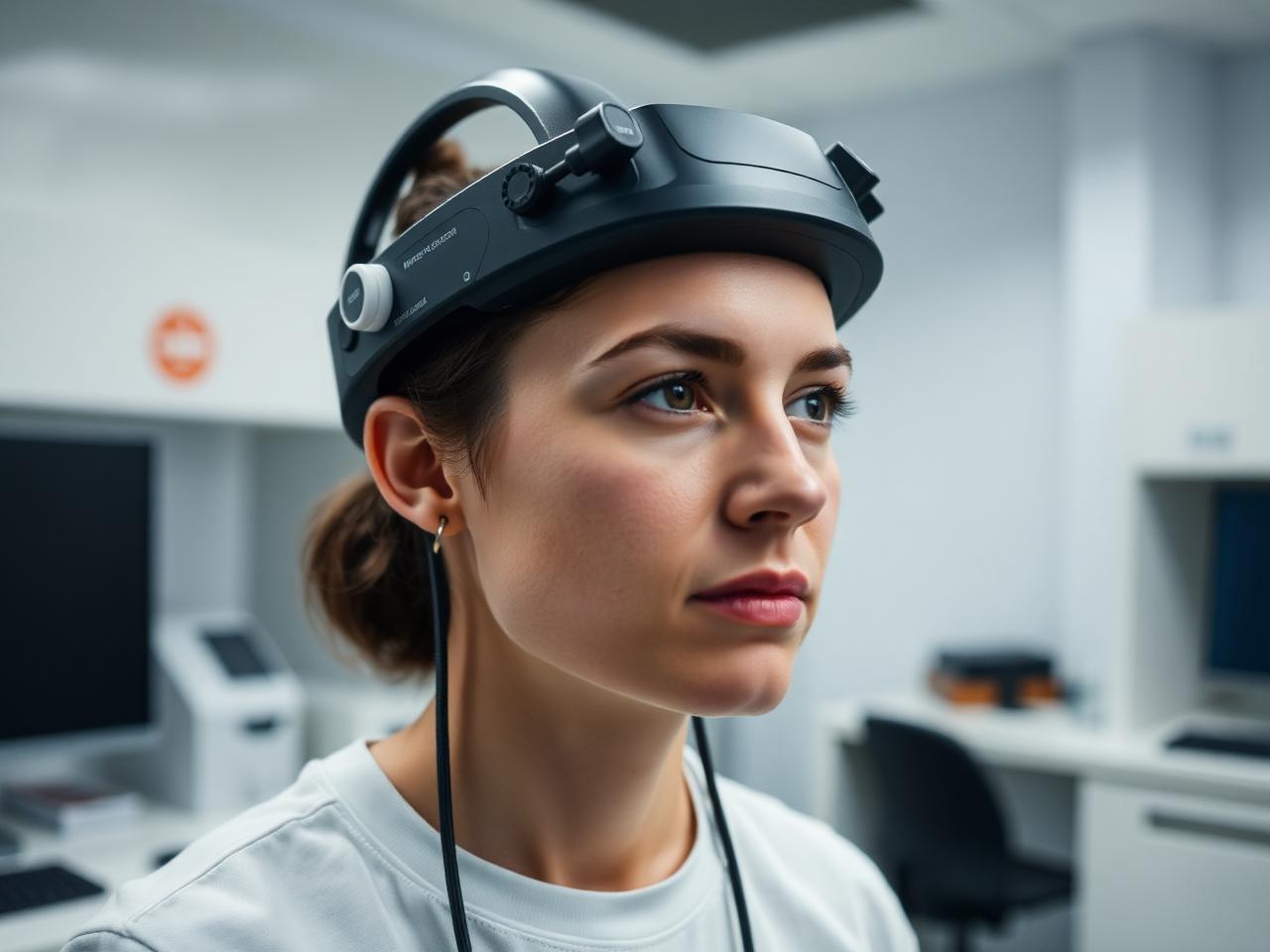
fNIRS adds another neurodata layer when the research question needs it.
fNIRS research can help measure changes related to brain oxygenation during a task, stimulus, interface, product, service or experience.
It can add value when the research question benefits from information about haemodynamic response patterns, such as changes in oxygenated and deoxygenated haemoglobin. fNIRS does not read thoughts, diagnose medical conditions or prove exact emotions.
fNIRS is not used because it is advanced. It is used when the research question needs that layer.
What is fNIRS?
fNIRS, or functional near-infrared spectroscopy, is a research method that uses near-infrared light to help measure changes related to oxygenated and deoxygenated haemoglobin in the brain.
In neuromarketing and consumer neuroscience research, fNIRS can add information about brain oxygenation patterns during tasks, stimuli, interfaces, products or experiences.
fNIRS measures changes related to brain oxygenation, not thoughts or exact emotions.
- Functional near-infrared spectroscopy
- Near-infrared light
- Oxygenated haemoglobin
- Deoxygenated haemoglobin
- Brain oxygenation
- Haemodynamic response patterns
- Task-related response patterns
- Neurodata over time
Some research questions need more than one neurodata layer.
Different methods reveal different layers of response. Eye tracking can help show where people look. EEG can help interpret fast response patterns over time. fNIRS can add information related to changes in brain oxygenation.
That can be useful when a research question involves sustained task response, mental effort, workload, interface use, product interaction or a comparison between conditions.
The value is not in using more technology. The value is in selecting the method stack that best fits the question.
The research question determines whether fNIRS adds value.
What fNIRS can help measure.
fNIRS can add another neurodata layer when the setup and research question support it.
Changes in oxygenated haemoglobin
Variations in oxygen-carrying haemoglobin levels measured through near-infrared light.
Indicates regional response to a task, stimulus or experience.
Compare conditions, concepts or stimuli when oxygenation patterns may differ.
Changes in deoxygenated haemoglobin
Variations in haemoglobin from which oxygen has been released.
Complements oxygenated readings for a fuller haemodynamic picture.
Strengthen interpretation of brain oxygenation patterns.
Brain oxygenation patterns
Combined patterns of oxygenated and deoxygenated haemoglobin over time.
Reveals how a region responds to sustained activity.
Identify whether a task or experience produces a measurable response.
Haemodynamic response patterns
Slow vascular response of the brain to neural activity.
A different layer than fast EEG response patterns.
Add a slower neurodata layer when the question requires it.
Task-related response patterns
Patterns linked to a specific task, prompt or experience condition.
Connects response data to a defined research design.
Evaluate task design, workload or condition comparisons.
Prefrontal activity patterns
Activity related to the prefrontal cortex, depending on setup.
Often associated with executive function, attention and decision processes.
Inform research designs that focus on deliberation or workload.
Response changes over time
How brain oxygenation patterns evolve across a session or condition.
Shows whether response builds, sustains or fades.
Refine pacing, structure or duration of an experience.
Differences between conditions or groups
Comparative patterns across stimuli, concepts, tasks or audiences.
Supports A/B comparisons grounded in neurodata.
Choose between variants when oxygenation patterns differ meaningfully.
fNIRS can add brain oxygenation data when the setup and research question support it.
What fNIRS can measure, and what it cannot prove alone.
fNIRS contributes a specific layer of evidence. It does not replace other methods or claim what it cannot support.
- Changes related to oxygenated haemoglobin
- Changes related to deoxygenated haemoglobin
- Brain oxygenation patterns
- Haemodynamic response patterns
- Task-related response patterns
- Response changes over time
- Differences between conditions or groups
- Thoughts
- Exact emotions
- Preference
- Trust
- Purchase intent
- Medical diagnosis
- Behavioural outcomes
- Business outcomes
fNIRS data needs to be interpreted in relation to the research question, task, setup and supporting data.
What fNIRS adds to the neuro measurement stack.
No single method explains behaviour on its own. fNIRS fits within a wider stack of methods that each reveal a different layer.
Eye tracking
Where people look, what they miss and how visual attention moves.
EEG
Fast response patterns, processing over time, focus and engagement patterns, and approach/avoidance patterns depending on setup.
fNIRS
Brain oxygenation data, haemodynamic response patterns, task-related response patterns and another neurodata layer over time.
Surveys / interviews
What people remember, what they can explain, what they prefer and what they say they experienced.
Behavioural / business data
What people did, which choices they made, how the experience performed and what changed operationally or commercially.
The method stack follows the research question.
When should you use fNIRS?
fNIRS fits a specific kind of question. The signals below help recognise when it is the right layer to add, and when it is not.
The research question needs brain oxygenation data
Is haemodynamic response part of what we need to interpret?
fNIRS is a fitting layer for the setup.
The study involves task-related response patterns
Do we need to compare response across tasks or conditions?
fNIRS can add a comparative neurodata layer.
Sustained mental effort or workload may be relevant
Does the experience put cognitive load on the participant?
fNIRS can help characterise workload-related patterns.
A product, interface or experience unfolds over time
Does response build, sustain or fade across the session?
fNIRS can show oxygenation patterns over time.
Another neurodata layer is needed alongside EEG or eye tracking
Do fast response patterns and gaze need to be complemented?
Combine fNIRS with EEG and/or eye tracking.
Conditions, concepts or groups need comparison
Are we testing variants, concepts or audience segments?
fNIRS can support evidence-based comparison.
The setup supports reliable measurement
Can the environment, task and participants be controlled enough?
fNIRS fit is feasible and interpretable.
fNIRS can add value beyond self-report or gaze data
Do we already understand what people say and see?
fNIRS can extend the picture with another layer.
Use fNIRS when brain oxygenation data is relevant to the decision.
Discuss a research setupWhen fNIRS may not be the right first method.
fNIRS is powerful only when it fits the question. There are situations where another method should lead.
- The question is mainly about visual attention - eye tracking is usually the first layer.
- The question is mainly about fast response dynamics - EEG fits better.
- The question can be answered with surveys or interviews alone.
- The setup does not support reliable measurement of haemodynamic response.
- Movement, environment or task conditions would make interpretation too limited.
- fNIRS is being added only because it sounds advanced, not because the question needs it.
fNIRS is selected because of the research question, not because every study needs every neuro method.
fNIRS can support research when another neurodata layer matters.
These are typical research contexts where fNIRS may contribute, always in service of the research question.
Interface and UX research
Tasks, flows and interface variants that may produce different response patterns.
Does the interface or task create response patterns that may benefit from brain oxygenation data alongside gaze, behaviour or self-report?
Task and workload research
Studies where mental effort or sustained workload is relevant.
Does the task structure produce workload-related response patterns?
Product interaction research
Hands-on interaction with a product, prototype or service touchpoint.
Does interaction with the product produce comparable response patterns across versions?
Service and decision processes
Service journeys where decisions unfold over time.
Where in the decision process do response patterns shift?
Concept comparison
Comparing two or more concepts under controlled conditions.
Do the concepts produce meaningfully different oxygenation patterns?
Experience comparison
Comparing experience designs, variants or sequences.
Does the experience design change the response pattern over time?
Neuro-lab studies
Controlled studies in a neuro lab with multiple measurement layers.
Does the lab study benefit from a haemodynamic layer alongside EEG or eye tracking?
Multi-method consumer neuroscience
Studies that combine fNIRS with EEG, eye tracking, surveys or behavioural data.
Does fNIRS add interpretive value to the existing method stack?
Innovation and prototype research
Early-stage testing of prototypes, ideas or concepts.
Are response patterns informative for early design decisions?
Training or learning contexts
Carefully framed studies of learning, training or skill tasks.
Do learning or training tasks produce workload or response patterns worth comparing?
fNIRS is most useful when the research question needs the data it can add.
fNIRS, EEG and eye tracking answer different questions.
No method is automatically better. The right method depends on the research question.
Eye tracking
Visual attention, gaze, fixations, scan paths, missed elements and visual hierarchy.
When the question is about what people see, miss and visually prioritise.
EEG
Fast response patterns, processing over time, focus and engagement patterns, and approach/avoidance patterns depending on setup.
When fast neural response dynamics matter to the decision.
fNIRS
Brain oxygenation data, haemodynamic response patterns, task-related response patterns and another neurodata layer over time.
When haemodynamic response and workload patterns are part of what needs to be interpreted.
No method is automatically better. The right method depends on the research question.
How Neurofactor uses fNIRS in research.
Neurofactor starts with the research question, not the equipment. The team defines whether fNIRS is needed, what the setup should measure, which conditions are compared, how the task or experience is structured and which supporting methods are required.
The goal is not to add more neurodata. The goal is to add the right neurodata.
fNIRS is selected when brain oxygenation data adds interpretive value to the research design.
- 1Define the research question.
- 2Determine whether fNIRS adds value.
- 3Define the task, stimulus, interface or experience.
- 4Define measurement conditions and comparison logic.
- 5Design the fNIRS setup.
- 6Combine with EEG, eye tracking, behaviour or self-report where needed.
- 7Analyse patterns in relation to the research design.
- 8Translate findings into recommendations.
The goal is not more data. The goal is the right evidence for the decision.
fNIRS becomes stronger when combined with the right supporting methods.
fNIRS data becomes more meaningful when interpreted with the right supporting context.
fNIRS + EEG
Both slower brain oxygenation patterns and fast response dynamics matter.
fNIRS + eye tracking
Brain oxygenation data needs to be connected to what people looked at during a task, interface or experience.
fNIRS + behavioural observation
Response patterns need to be connected with visible actions, task performance, route behaviour or interaction.
fNIRS + surveys or interviews
Neurodata needs to be compared with what people remember, explain or say they experienced.
fNIRS + profiling
Different groups may show different response patterns under the same task or experience conditions.
fNIRS + business or operational data
Interpreted response patterns need to be connected to outcomes, choices, task performance or operational results.
fNIRS data becomes more meaningful when interpreted with the right supporting context.
What you receive from fNIRS research.
Outputs are framed around the research question, not raw signals.
fNIRS setup rationale
Why fNIRS was selected and how the setup was designed.
Brain oxygenation pattern interpretation
What the observed oxygenation patterns suggest in research context.
Oxygenated haemoglobin findings
Findings related to changes in oxygenated haemoglobin.
Deoxygenated haemoglobin findings
Findings related to changes in deoxygenated haemoglobin.
Haemodynamic response pattern analysis
Slow vascular response interpreted across the session.
Task-related response interpretation
Patterns linked to specific tasks, conditions or stimuli.
Condition or group comparison
Comparative interpretation across variants, tasks or audiences.
Method-combination findings
How fNIRS findings interact with EEG, eye tracking, surveys or behaviour.
Limitations and feasibility notes
Clear notes on what the setup can and cannot support.
Decision-focused recommendations
Practical recommendations linked to the research question.
The output is not raw fNIRS data. It is interpreted evidence within the research design.
Applied when the research question needs another neurodata layer.
fNIRS is used selectively. The cases below show the kinds of research where fNIRS can play a role.
Neuro-lab studies
Shows how fNIRS can be used as part of a controlled method setup.
UX or interface research
Shows how fNIRS can support research when a task or interface may benefit from another neurodata layer.
Product or prototype research
Shows how fNIRS can support comparison when the setup benefits from brain oxygenation data.
Multi-method consumer neuroscience
Shows how fNIRS can be part of a broader evidence stack with EEG, eye tracking, behaviour or self-report.
Cases shown selectively. Some studies remain confidential.
Cases illustrate why fNIRS was selected; they do not claim that fNIRS proves thoughts, emotions or behaviour.
Want to know whether fNIRS fits your research question?
If your study may benefit from brain oxygenation data, fNIRS can add another neurodata layer to the research setup. You do not need to know whether fNIRS is the right method yet. Start with the research question. Neurofactor can help define the method stack.
fNIRS is selected when brain oxygenation data adds value to the research setup.
The method stack follows the research question.